Author

Chuck "The Chili Guy" Miller

Browsing
Hey I'm Chuck "The Chili Guy" Miller. Chili is my passion so I have expertly crafted my list of tried and true award worthy chili recipes that will warm your soul. My gift to you from one chili connoisseur to another. - Chuck

How Chili Powder Is Made

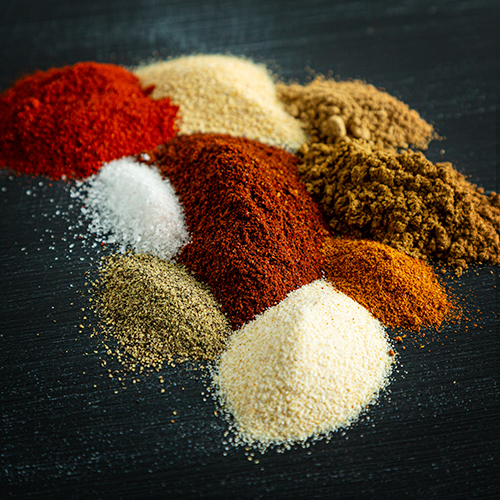
It can be argued that chili powder is the most important part of a chili recipe, giving the dish its signature flavor. Chili powder is a spice mix made of ground herbs and chili peppers. There are a variety of chili powder mixes, and it’s even possible to create your own. Some include a lot of powdered garlic; others add some cumin and coriander or even oregano to the mix. What stays consistent is the presence of chili peppers. The ingredient mix is ground up finely to create chili powder.

What Chili Pepper Is in Chili Powder?

The most popular chilies to use in chili powder are:

  • Ancho
  • Cayenne
  • Chipotle
  • Aleppo
  • Jalapeño
  • Piri piri
  • Pasilla

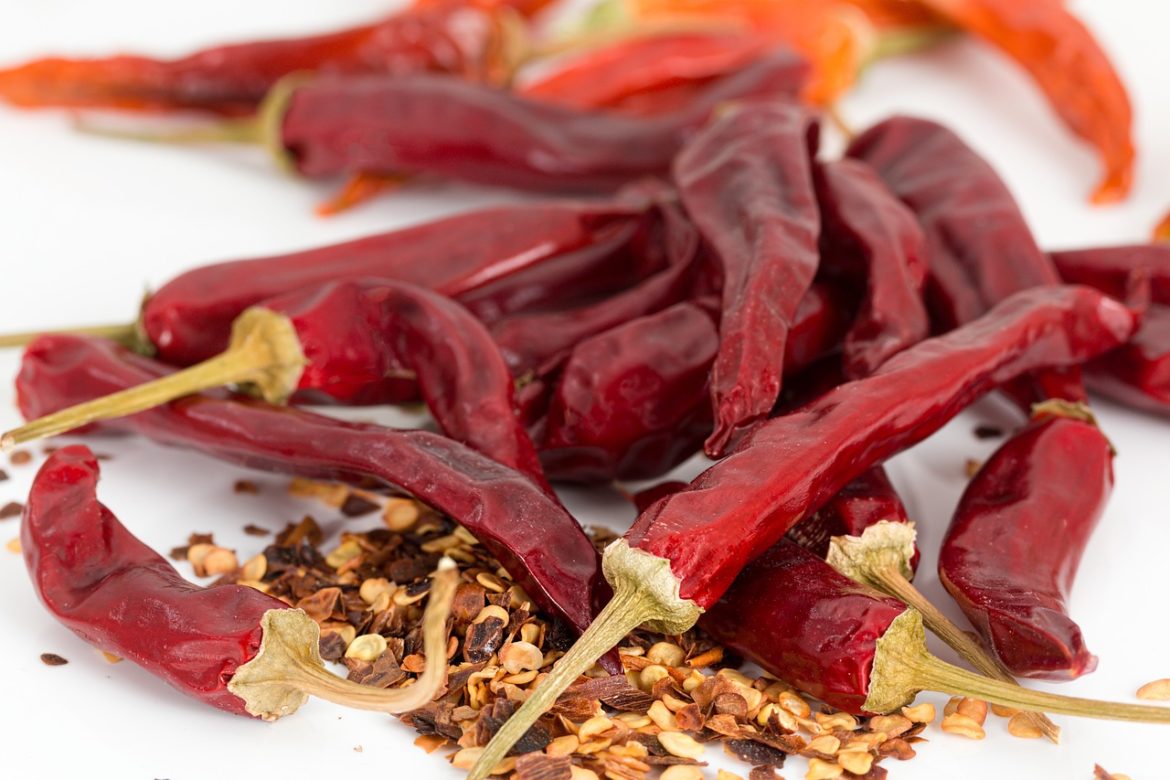
The most common way to buy many of these peppers at a grocery store is in dried form. Remove the stems and seeds, then place the dried chilies in a food processor to create chili powder.
How Chili Is Made

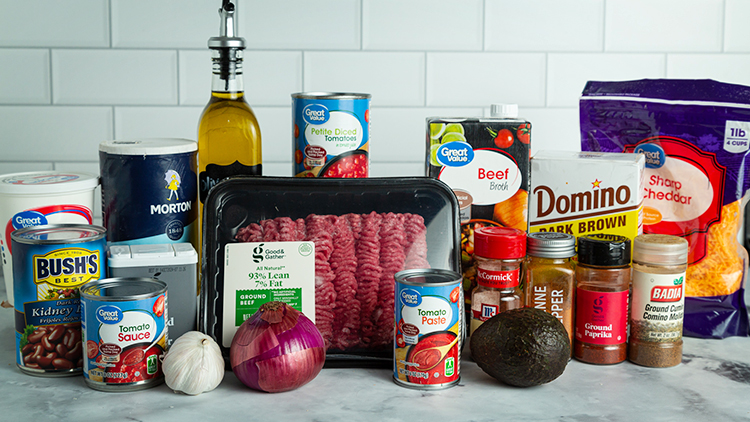
Chili is one of the most popular dishes in America, and it’s also one of the most versatile. Chili is the type of food that a chef can truly make their own. Everyone has their preferred recipe and flavor profile. Whether you want to explore different styles and flavors of chili or perfect a favorite recipe to make again and again, you’ll go through the same basic process to make the dish.

Choosing Ingredients

When making chili, you’ll have to make a few important decisions about ingredients. Choose what protein will be included, what spice profile, what type of beans, how long you’ll cook the chili, and how spicy you want your chili to be.

Cooking the Chili

Here are the basic steps for how chili is made:

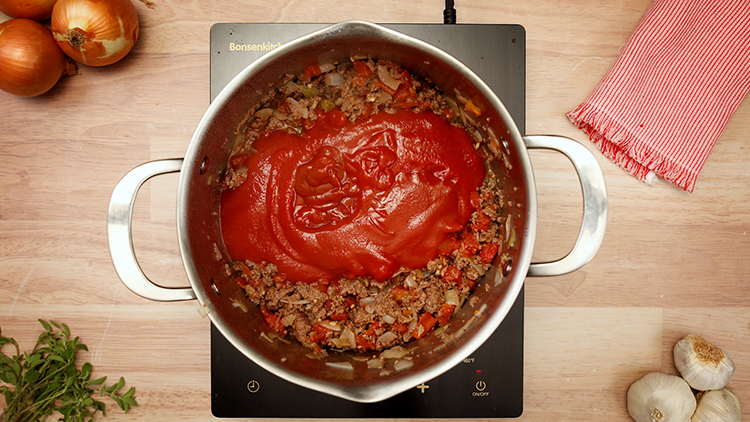
  1. Brown the meat and/or sweat the vegetables. Depending on what type of meat chosen, your cooking method may vary. You might grill beef or chicken in batches or pan-fry it. Pork could be slow-roasted or smoked. You’ll also want to sweat the aromatic vegetables, which are usually onions, garlic, and peppers.
  2. Next, pour liquid into the pan to deglaze it. Liquid options include soup stock, beer, hard cider, or tomatoes and their juices. Once the liquid is in the pan, you’ll simmer the beans, meat, and other vegetables added. Season with the spices you want to include at this stage.
  3. The last step adds body and depth to the flavor. You should simmer the chili at this point. Placing dried chili peppers in the pot will really bring forth that delicious chili flavor. You can simmer the chili on the stovetop at a low setting, cover the pot and put it in the oven, or place the chili in a slow cooker. Once the meat and/or vegetables are tender and the flavor is full-bodied, remove the dried peppers and the chili is ready to eat.

Are Chili Peppers Hot?

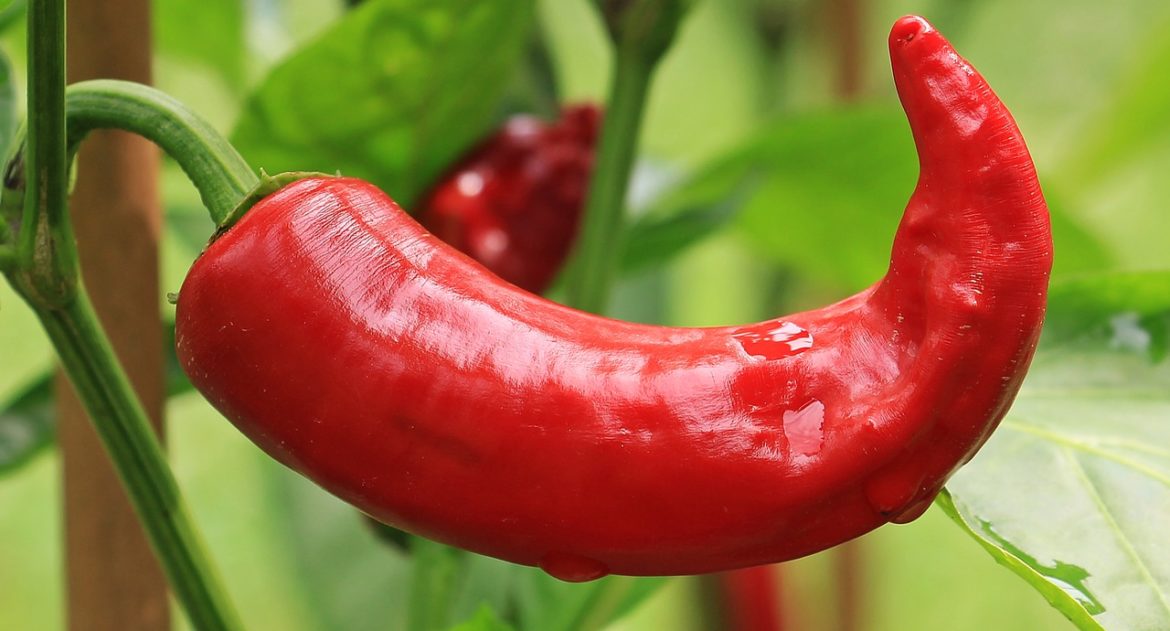
There are many different kinds of chili peppers from all around the world. They add spiciness, kick, and interesting flavor to regional dishes. Not all chilies are hot though! Some chilies have a very mild spice level. A pepper’s spiciness is measured in Scoville Heat Units (SHUs). Chilies in the 100,001 to 350,000 SHU range are considered hot. Any pepper above 350,000 SHUs is extremely hot, even dangerously hot if you’re not used to eating them.

Which Chili Peppers Are Hot?

Here are some of the hottest chili peppers you can cook with. Most have a rating above 100,000 on the Scoville Heat Scale:

  • African Bird’s Eye
  • Aji Cito Chili Peppers
  • Bahamian Chili Peppers
  • Caribbean Red Peppers
  • Carolina Cayenne Chili Peppers
  • Datil Pepper
  • Devil’s Tongue Pepper
  • Fatalii Chili Peppers
  • Habanera Pepper
  • Jamaican Hot Chili Peppers
  • Madam Jeanette Chili Peppers
  • Scotch Bonnet Chili Peppers
  • Shipkas Chili Peppers
  • Tabiche Chili Peppers
  • Tiger Paw NR Chili Pepper
  • Trinidad Scorpion Pepper

Which Chili is the Hottest?

The hottest chili pepper has changed over the years and may change again, but currently, the Carolina Reaper holds the title with over 2 million SHUs of fire.

Are Chili Peppers Good for You?

Chili peppers have a fiery and often complex taste, but you may not know that chili peppers are good for you, too! Many spicy foods include some great health benefits in addition to being delicious, and those health benefits are usually provided by the chili peppers used in the dish.

Vitamins in Chili Peppers

Some of the health benefits of chili peppers come from the many vitamins that they contain, some of which are hard to get enough of in typical Western diets. Here are the vitamins that make chili peppers good for you:

  • Vitamin A
  • Vitamin B6
  • Vitamin C
  • Vitamin K1

Chili peppers also contain potassium and copper, two vital nutrients.

Other Health Benefits of Chili Peppers

While the evidence isn’t conclusive yet, multiple studies have shown that people who included chili peppers in their diet regularly had lower rates of death from cancer and cardiovascular disease. It’s not clear why chili peppers might have these benefits, but some scientists theorize that it’s the capsaicin they contain. Capsaicin gives peppers their heat, and it’s also a powerful anti-inflammatory and antioxidant.

Are Chili Beans Good for You?

Chili beans have a bunch of health benefits! The most important benefit of chili beans is that they’re a great source of protein. Popular brands of chili beans are around 130 calories per serving. They’re a good source of fiber and usually contain a decent amount of potassium, too. Chili beans also contain vitamins A and C. They’re also popular among vegetarians and vegans because they’re a source of iron. And chili beans are fairly low in carbohydrates, containing around 20 grams per serving.

The only thing to watch out for with chili beans is the salt content. Canned chili beans can be quite salty; if you’re watching your sodium intake, you may way to prepare your own dried beans rather than using canned beans.

Why Chili Makes You Poop

If you enjoy a spicy chili, you can probably count on needing a bathroom break shortly afterward, and there are two main reasons why. One thing that might kick your bowels into motion is the spiciness of the chili, and the other is its fiber content.

Spicy foods make people poop because of the capsaicin they contain. Capsaicin can burn your skin, and it can also burn all of the tissues of your digestive tract. When capsaicin reaches your intestines, it stimulates cramping as your body tries to get rid of it. Your GI tract works overtime to move the capsaicin along as quickly as possible, which leads to poop.

The other reason why chili has a noticeable impact on the bowels is the fiber contained in the beans and vegetables in the dish. Fiber is known for its ability to keep you regular, so it’s no surprise that eating chili can send you to the bathroom.

Which Chili Powder Is Spicy?

Chili powder is made from ground chili peppers and other spices, but the exact formula can vary from one product to the next, meaning that the flavor and spice level won’t always be the same. One way to tell which chili powder is spicy when you’re looking at a grocery store shelf is to check out the ingredient labels. Take a look at what type of pepper was used to make each blend. Here is a list of common chili powder peppers ranked from least spicy to most spicy:

  • Ancho pepper
  • Chipotle pepper
  • Cayenne pepper

If you want a hotter blend, pick a chili powder with more cayenne pepper; if you prefer your chili pepper milder, cayenne will be a red flag for you.

International Flavors

Chili powder is tasty in more cuisines than Tex-Mex, so if you’re thinking of branching out by trying a chili powder with an international flair, you have a few interesting options:

  • Korean gochugaru powder packs a spicy kick.
  • In Indian dishes, powdered Kashmiri pepper adds a mild spice and fruity flavor similar to sweet paprika.
  • Peri peri powder comes from an African pepper with a smoky flavor profile.

Which Chili Powder Is Less Spicy?

If you’re looking for a relatively mild chili powder, one great way to tell which one you should choose is by color. Lighter, more orange-toned chili powders will be milder, while darker, deeper brownish-red chili powder will be hotter. The color difference is caused by the concentration of chili pepper used and how long the peppers were roasted.

Most chili powders aren’t made from powdered peppers alone: The pepper powder is mixed with ingredients like oregano, basil, cumin, and garlic powder. The more ground chili pepper is included, the redder the powder will look and the spicier the powder will be. Light-colored chili powders with a bright red/orange color also aren’t roasted as long, bringing less heat from the peppers. So if you’re shopping for chili powder at the store and want a less spicy option, choose one that’s a lighter color.

Which Chili Peppers Are Mild?

Most people like a little bit of heat to their chili, but we’re not all suited for super-spicy flavor. For those who want the flavor of chili peppers but want to avoid the heat, there are milder peppers you can use in chili recipes. Here are a few of the mildest peppers you can incorporate into your cooking:

  • Banana Peppers: These are a great way to add a mild kick of spice to your food. Banana peppers can be found anywhere, and they’re even a popular sub and salad topper.
  • Cubanelles: Cubanelles get their names from the Cuban cuisine they’re used in. They add a sweet and mild taste.
  • Poblanos: These peppers are called anchos when they’re dried, and they’re included in a lot of chili recipes. To try them out, order a chile relleno, which is a stuffed and fried poblano.
  • Anaheim Peppers: This New Mexican chili pepper is really mild, and it’s often roasted and used in enchilada sauce and Tex-Mex dishes.

What to Do When Chili Is Too Tomatoey

Tomatoes are a pretty important chili ingredient, but it’s possible to go overboard. If you add too many tomatoes, there are many other additions you can make to change the chili flavor. Onions and bell peppers have a strong flavor that can balance out the acidic tomato taste. Spice and heat can also counterbalance the acid of tomatoes: Adding chili powder, cumin, and cayenne can add more depth of flavor. But do be cautious when adding peppers and hot spices, in case the flavor becomes too spicy for your liking. For a more subtle change in flavor, try adding basil, oregano, or bay leaves. Taste your chili as you make adjustments to make sure that you’re achieving a good flavor balance.