Author

Chuck "The Chili Guy" Miller

Browsing
Hey I'm Chuck "The Chili Guy" Miller. Chili is my passion so I have expertly crafted my list of tried and true award worthy chili recipes that will warm your soul. My gift to you from one chili connoisseur to another. - Chuck

Will Chili Thicken as it Cooks?

If your chili seems too watery, don’t panic: Just leave it on the heat. If you let it simmer without a lid on it, some of the water in the chili will cook off, making the chili thicker. This is even more true if you’re making chili that has beans in it, because beans release starch as they cook, which can thicken the chili, too.

If it’s almost time to eat and your chili isn’t thick enough, mix a bit of cornstarch with water and then pour it into the pot and let it cook for about 10 minutes. You can also throw a tablespoon of cornmeal into the pot, which will absorb some of the extra water, making the chili thicker. But cornmeal might make the chili a little grainy, so keep that in mind. You can even throw quick oats in the pot if that’s all you have.
Will Chili Make Me Constipated?

Chili is delicious, but will you regret eating it later on, when you’re in the bathroom? That depends in part on what you put in your chili.

One of the most popular things to put in chili is beef, but red meat is high in fat and low in fiber, so it can make you constipated. But on the other hand, spicy foods can increase blood flow to the intestines, which will help you go to the bathroom. And the vegetables and beans in chili have fiber, which also helps you go.

Most people will be OK eating chili as long as the chili isn’t too meat-heavy. But some people do end up feeling bloated or constipated, and if that’s you, you should try to drink plenty of water with your chili. It’s also a good idea to add fiber to the meal, whether it’s more vegetables in the pot or some whole-grain, high-fiber bread on the side.

Where Did Chili Come From?

Where chili originated is unclear, but there are a few different theories.

Food historians agree that chili con carne is American but has Mexican roots, though Mexicans generally say they had nothing to do with the invention of chili.

One legend says that a Spanish nun in the early 1600s named Sister Mary Agreda had out-of-body experiences in which her spirit traveled across the Atlantic Ocean and preached Christianity to the natives in what is now western Texas. During one of these experiences, she supposedly got a recipe for chili from the people there.

Another story about chili says that the recipe came from the Canary Islands in the 1720s, when these immigrants came to San Antonio, Texas, bringing with them a recipe that mixed peppers and onions with meat.

But the first written description of chili comes from a man named J.C. Clopper, who lived near Houston, Texas. In 1828, he wrote about a visit to San Antonio and included a description of a sort of hash made with stewed peppers and meat. He didn’t use the word “chili,” but what he wrote sounded a lot like it.

Chili started to become popular in the 1880s when a market in San Antonio set up chili stands where women sold “bowls o’ red” for 10 cents. As its fame spread, chili soon became a reason for people to visit San Antonio, and by the 1920s, chili had spread all over the country.

Will Chili Powder Hurt Dogs?

Chili powder can hurt dogs, so you should try to keep them away from it. In fact, you can even spread chili powder on your lawn to keep dogs away. Once they get a sniff of it, the chili powder will irritate their noses: Imagine what would happen if you sniffed a bunch of it up your nose!

Chili powder also isn’t great for dogs to eat. Dogs don’t have as many taste buds as people do, so the spiciness might not bother them, but eating chili powder can give dogs stomach problems like gas and diarrhea. Chili powder often has garlic and onion in it, too, and both of those things are toxic to dogs. So no matter how much your dog makes those pouty eyes at you at the dinner table, don’t share your chili.

Will Chili Raise Blood Sugar?

If you have diabetes, you always have to worry about whether what you’re eating is going to mess with your blood sugar. But the good news is that chili shouldn’t hurt you. In fact, it might even help you to be healthier! Chili peppers actually have a couple of chemicals in them that can lower your blood sugar levels. They can also help to keep the walls of your arteries clean by keeping fatty deposits and clots from sticking to the artery walls!

Chili is also pretty healthy: It’s got protein, iron, and fiber. And if you put beans in your chili, you don’t have to worry about the carbs in them: Beans are low on the glycemic index, which is a fancy way of saying that they won’t make your blood sugar spike. So go ahead and have some chili. It’s good for you!

Why Are Chili and Cinnamon Rolls Paired Together?

I’ve traveled all over the country and eaten all sorts of things, but one thing I didn’t expect to come across was chili served with cinnamon rolls. In some states, like Iowa and Nebraska, it’s really common, though. But why are cinnamon rolls and chili served together in some places? Nobody’s really sure, but the answer might be in school cafeterias. One theory is that schools struggling to feed a bunch of kids on tight budgets after World War II would serve chili a lot because it’s a filling meal that can be pretty cheap to make. Chili with lots of beans has a lot of nutrition, but it might not be all that appealing when it’s served up in a school cafeteria. But cinnamon rolls are always delicious, so the lunch ladies back then would make cinnamon rolls and serve them with the chili to get kids to eat it.

Whether or not that story is true, you can still find chili and cinnamon rolls paired together on the menu at restaurants in certain states.

Are Chili Beans Healthy?

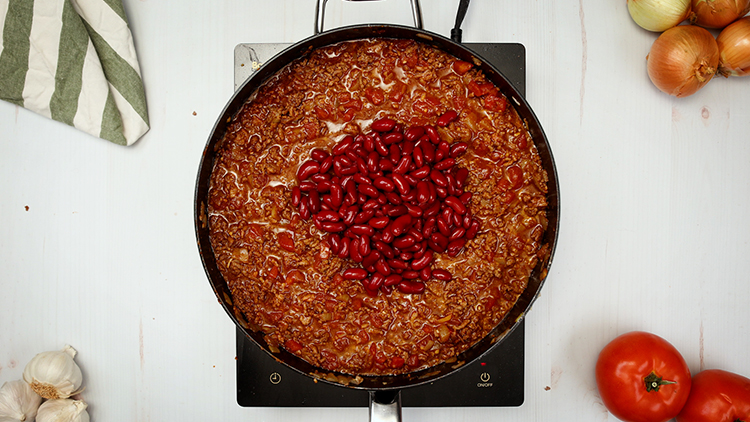
Beans are a healthy addition to any diet, and that includes chili beans. When people refer to chili beans, they usually mean black beans, kidney beans, or pinto beans. All of these kinds of beans are really good for you. They have protein, potassium, fiber, and folate. Some studies have even shown that eating beans can lower your risk of Type 2 diabetes. Eating beans can also lower your cholesterol and your risk of heart disease. So eat up! Just be sure to eat plain beans that you season yourself.

Which Chili Peppers Are Used in Chili Powder?

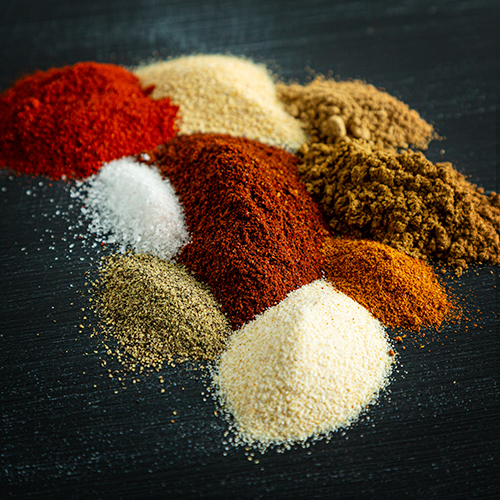
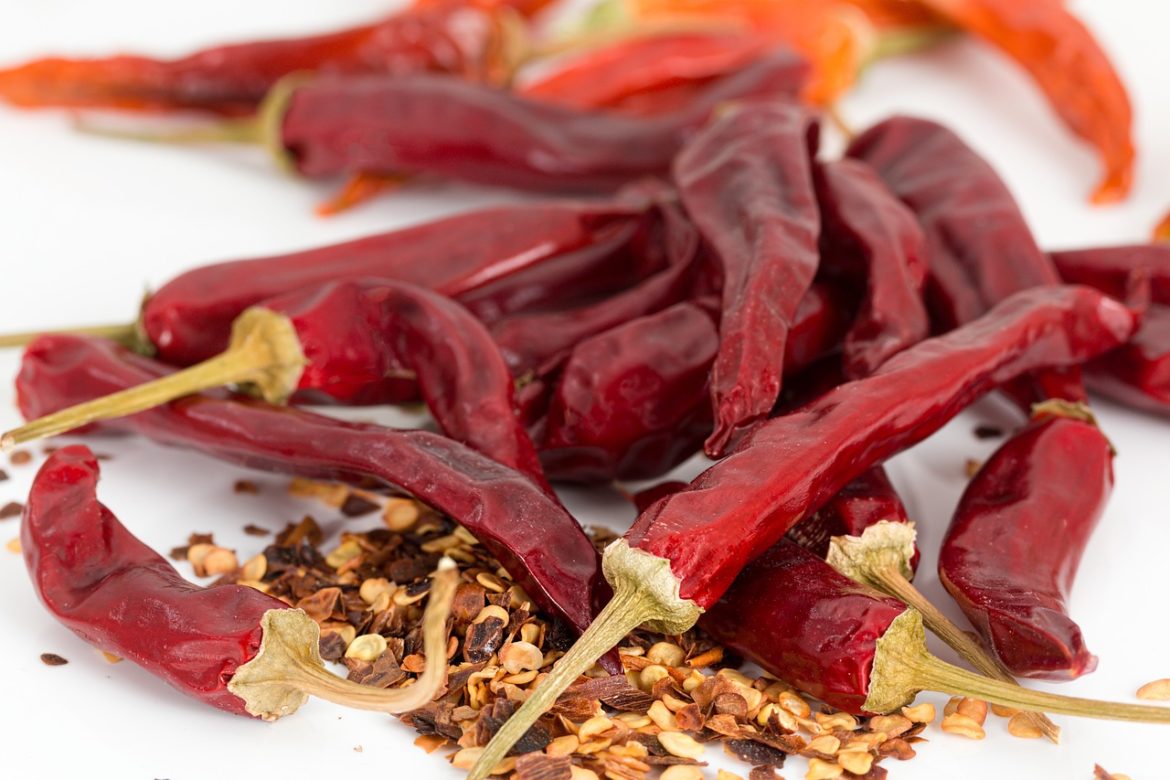
Chili powder is a popular seasoning used worldwide, and different regions use different peppers to make theirs, along with other spices. When you’re making chili, you’re most likely to use a jar of Mexican-style chili powder, which often includes cayenne peppers, New Mexico chilies, chipotle peppers, ancho peppers, and/or chile de arbol peppers. Spanish chili powder often includes Aleppo peppers, which Caribbean mixes use piri piri peppers and Korean chili powder features gochu peppers.

Which Chili Is Hotter: Red or Green?

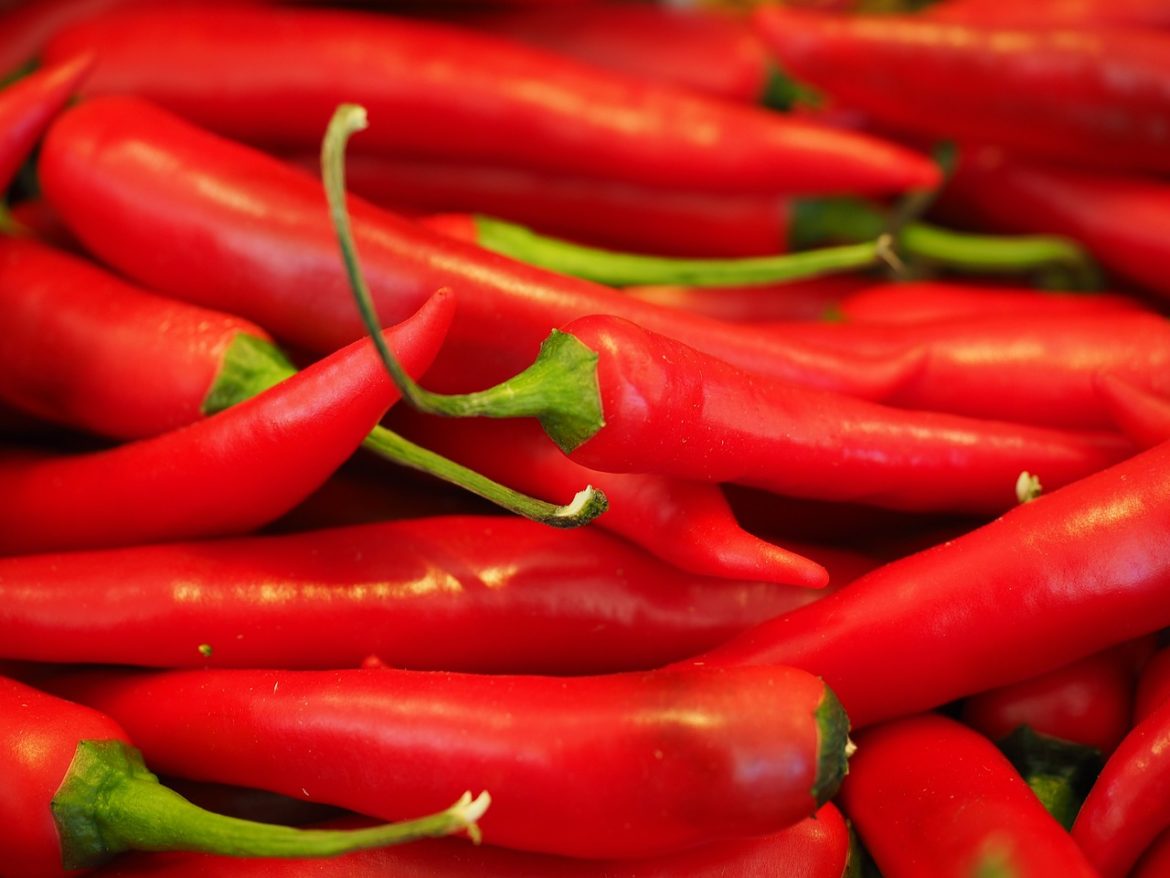
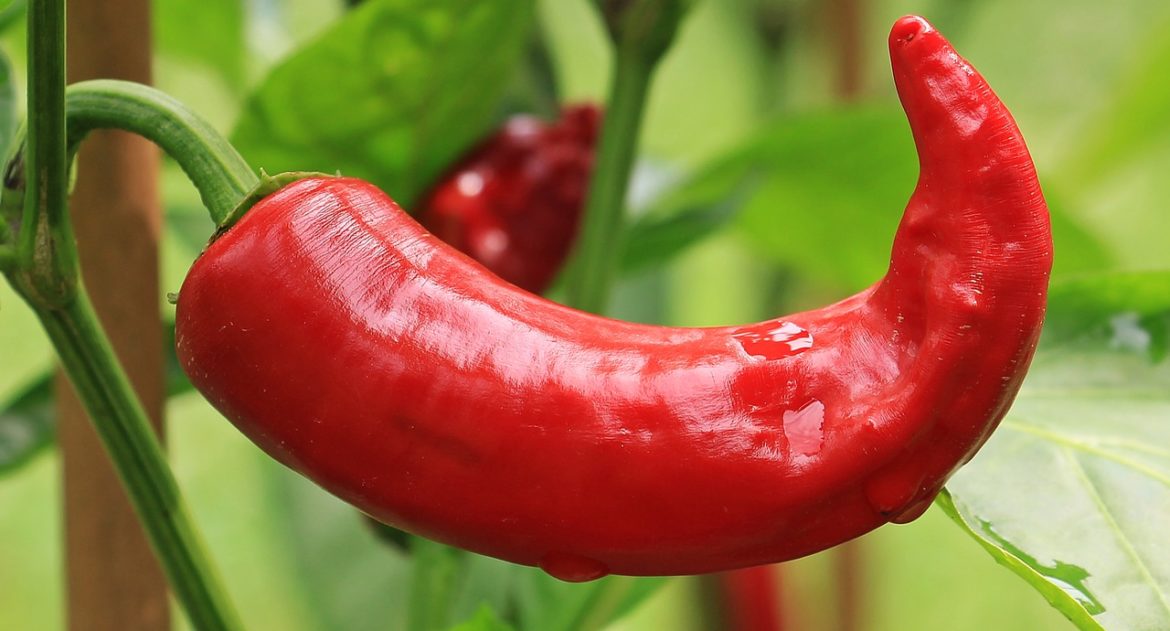
You’ve probably noticed that there are lots of different types of peppers at the grocery store, many of them either red or green. You might think that red ones are hotter than green ones: After all, red is the color of hot things, like fire or lava. But the truth is that you can’t always count on the color to tell you which ones are hot. Sure, a chipotle pepper is spicier than a banana pepper, but it’s also true that a green jalapeno is way hotter than a red peppadew. The truth about pepper colors is that a green pepper of any kind will usually ripen into a red one if you leave it on the plant long enough. When peppers ripen and turn red, they get a little sweeter, but that doesn’t mean that they still can’t pack a punch! So before you pick a peck of peppers for your next chili, read up on the different varieties of peppers there are. The type of pepper will tell you a lot more about how hot it is than its color.

How to Fix Chili When It’s Too Hot

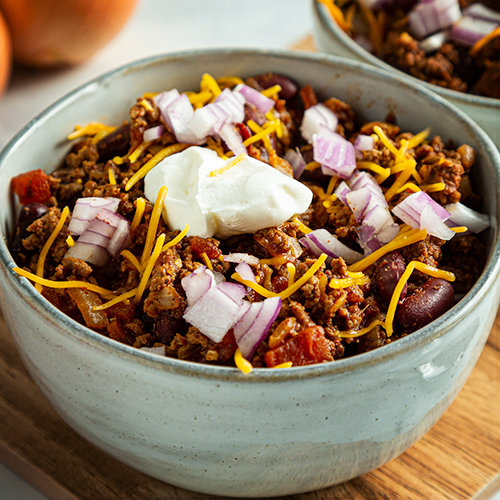
Chili is traditionally a spicy dish, but what do you do when your chili is too hot? You can fix it by adding something to cancel out some of the heat. Milk is a great spice-slayer, as are lots of other dairy products. Stir some milk into your chili and you’ll find that it gets milder the more you add. You can also add cheese to your chili, but keep in mind that that will make it thicker. Sour cream is also a great thing to add to five-alarm chili to dial back the heat. You can also just put sour cream, cheese, or both on the table so people can choose whether they want to add some to their bowl or not.